

 Filters

Filters
Price
₹
to
₹
Brand

OPERATING SYSTEM
PROCESSOR BRANDS
EXTERNAL STORAGE
NO. OF FRONT CAMERA
NO. OF REAR CAMERA
MARKET STATUS
INTERNAL STORAGE
BATTERY CAPACITY
CONNECTIVITY
REAR CAMERA
SCREEN SIZE
SIM TYPE
MORE FEATURES
RAM
NO. OF CORES
SIM SIZE
PROCESSOR
FRONT CAMERA
SCREEN
Release Date
AI Mobile Phones
AI Mobile Phones in India 2025
Looking for the best AI mobile phones in India 2025? You've probably noticed that "smart" isn't enough anymore; the ... new standard is how well your device can think, edit, and summarize for you. In 2025, buying a phone is no longer just about megapixels or battery size; it’s about the Neural Processing Unit (NPU) and how many generative AI features are baked directly into the operating system. Whether you want a device that can live-translate a phone call or one that can magically erase strangers from your vacation photos, the market is currently flooded with options. However, not all AI features are created equal—some run locally on your device for better privacy, while others rely on the cloud and might eventually require a subscription. If you're planning to invest in a high-end device, you'll want to ensure it has enough RAM to handle these intensive tasks without stuttering. This guide focuses on the top-rated AI camera phones and productivity powerhouses available right now. We'll help you navigate the jargon of Large Language Models (LLMs) and on-device processing to find the perfect fit. Here's how to pick the right one for you.What to Look For When Buying an AI Mobile Phone in 2025
- NPU and Processor Architecture: The brain of any AI mobile phone is its processor. Look for chipsets like the Snapdragon 8 Gen series or Apple’s A-series Pro chips which feature dedicated Neural Processing Units. These are designed specifically to handle AI workloads efficiently without draining your battery in two hours.
- RAM Capacity: AI is a memory hog. For a smooth experience with generative AI mobile phones, 12GB of RAM is the new baseline for Android, while 8GB is the bare minimum for iPhones supporting Apple Intelligence. Less than this, and you’ll likely see the phone kill background apps just to process a single AI-edited photo.
- On-Device vs. Cloud AI: Always check if the features work offline. On-device AI is faster and more private as your data never leaves the phone. Cloud-based AI is often more powerful but requires a constant internet connection and may come with "usage limits" or future costs.
- Software Update Longevity: AI features evolve fast. Choose brands that promise at least 5 to 7 years of OS updates. An AI phone is only as good as the latest model it can run, and you don't want your expensive device to be obsolete when the next generation of assistants arrives.
- Battery and Thermal Management: Processing AI tasks generates significant heat. Look for phones with advanced vapor cooling systems and large batteries (5000mAh is standard). If a phone gets too hot, it will throttle the processor, making those "smart" features feel sluggish and buggy.
- Camera Hardware Integration: Don't just look for AI filters; look for AI ISP (Image Signal Processor) integration. This helps in low-light videography and real-time HDR processing, which creates a more natural look than simple software post-processing.
Which AI Mobile Phone Is Right for You?
- The Productivity Junkie: If you spend your day in meetings and emails, you need a device that excels at transcription and summarization. The Samsung Galaxy S24 Ultra is your best bet here, thanks to its S-Pen integration and robust Note Assist features that turn messy scribbles into professional bullet points.
- The Mobile Photographer: For those who care most about the perfect shot, the Google Pixel 9 Pro is the clear winner. Its Magic Editor and Best Take features use AI to fix group photos where someone always blinks, making it the most forgiving camera on the market.
- The Apple Loyalist: If you're already in the ecosystem, the iPhone 16 Pro Max is the only way to go. Its integration with Apple Intelligence ensures that Siri actually understands context, though you'll have to deal with a more "curated" (and restricted) AI experience compared to Android.
- The Budget-Conscious AI Explorer: You don't need to spend six figures. The Google Pixel 8a offers many of the same "Magic" features as the flagship Pro models but at a fraction of the cost, making it the best budget AI phone for 2025.
- The Power User: If you want raw speed and AI-driven gaming enhancements, the OnePlus 12 provides excellent value. Its AI focuses more on system fluidity and battery optimization, which is great for people who hate lag and love heavy multitasking.
Best AI Mobile Phones in India 2025: Quick Reviews
Samsung Galaxy S24 Ultra ( ₹1,29,999)
Key Specs: Snapdragon 8 Gen 3 for Galaxy, 12GB RAM, 200MP Main Camera, 5000mAh Battery, 6.8-inch QHD+ AMOLED.Why It Stands Out: It offers the most complete "Galaxy AI" suite, including live call translation and circle-to-search functionality that works seamlessly with the S-Pen.
Expert Opinion: This is the gold standard for AI mobile phones in India 2025. It’s built for the person who treats their phone like a mobile workstation. The AI features here aren't just toys; the live translation is a genuine lifesaver for international travelers, and the photo remastering is incredibly intuitive. However, it's a massive, heavy device. If you have small hands or hate bulky pockets, the sheer size of the Ultra will be a daily annoyance. It’s overkill for casual users, but for power users, there’s nothing better.
Real-World Pro: The anti-reflective screen combined with AI brightness makes this the most readable phone under direct Indian sunlight.
Real-World Con: The shutter lag in the camera app is still present, which can be frustrating when trying to capture moving pets or kids.
Google Pixel 9 Pro ( ₹1,09,999)
Key Specs: Tensor G4 Chip, 16GB RAM, 50MP Triple Camera System, 6.3-inch Actua Display, 4700mAh Battery.Why It Stands Out: It is the most "human" AI phone, with Gemini Nano running on-device to provide context-aware suggestions and industry-leading photo manipulation.
Expert Opinion: Google’s approach to AI mobile phones is about making life easier rather than just adding specs. The 16GB of RAM is specifically there to ensure Gemini runs smoothly. If you value software intelligence over raw hardware benchmarks, this is your pick. The trade-off is the charging speed; it is painfully slow compared to Chinese rivals. You'll be tethered to a wall for over an hour for a full charge, which feels outdated in 2025.
Real-World Pro: The "Add Me" feature is brilliant, allowing the photographer to be included in group shots through AI stitching.
Real-World Con: The Tensor chip still runs warmer than Snapdragon equivalents during heavy gaming or 4K video recording.
iPhone 16 Pro Max ( ₹1,44,900)
Key Specs: A18 Pro Bionic, 8GB RAM, 48MP Fusion Camera, 6.9-inch ProMotion Display, Not specified Battery mAh.Why It Stands Out: It introduces Apple Intelligence, focusing on privacy-first AI that integrates deeply with Siri and your personal data.
Expert Opinion: Apple has finally entered the AI mobile phones race with a focus on "Personal Intelligence." This is for the user who wants AI to manage their calendar and notifications rather than just generate weird images. The video capabilities remain the best in the business, now enhanced by AI audio mixing. The big trade-off is the "walled garden." You won't get the same level of experimental AI freedom found on Android, and many features feel a bit too safe and restricted.
Real-World Pro: The dedicated Camera Control button makes accessing AI visual search features incredibly fast.
Real-World Con: You are paying a massive "Apple Tax" for AI features that many Android phones have had for a year.
Google Pixel 8a ( ₹52,999)
Key Specs: Tensor G3, 8GB RAM, 64MP Main Camera, 4492mAh Battery, 6.1-inch 120Hz Display.Why It Stands Out: It’s the most affordable way to access high-end features like Magic Eraser and Best Take without spending six figures.
Expert Opinion: Not everyone has a lakh to spend on AI mobile phones, and the Pixel 8a is the perfect middle ground. You get the same smart call screening and photo editing tools as the flagships. It’s a compact, durable phone that’s easy to use one-handed. However, the thick bezels around the screen look a bit dated for 2025, and the battery life is strictly "one-day" only. Don't expect it to last through a heavy night out if you've been using GPS all day.
Real-World Pro: The matte finish on the back is excellent at hiding fingerprints and feels great in the hand.
Real-World Con: The charging speed is limited to 18W, which is glacial by modern standards.
OnePlus 12 ( ₹64,999)
Key Specs: Snapdragon 8 Gen 3, 12GB RAM, 50MP Hasselblad Camera, 5400mAh Battery, 100W Charging.Why It Stands Out: It uses AI behind the scenes for "Trinity Engine" optimization, ensuring the phone stays fast for years and manages power efficiently.
Expert Opinion: OnePlus takes a different route with AI mobile phones, focusing on performance rather than just generative tricks. If you hate lag and love BGMI, skip the Pixel and get this. The AI here manages frame rates and touch response. The trade-off is that its generative AI features (like photo editing) aren't as advanced or "magical" as Samsung or Google’s offerings. It’s a hardware beast first and an AI phone second.
Real-World Pro: The 100W charging can juice your phone from zero to 100% in under 30 minutes, which is life-changing.
Real-World Con: The curved screen, while beautiful, leads to occasional accidental touches and makes finding a good screen protector a nightmare.
Samsung Galaxy S24 ( ₹74,999)
Key Specs: Exynos 2400, 8GB RAM, 50MP Main Camera, 4000mAh Battery, 6.2-inch Dynamic AMOLED.Why It Stands Out: It is the best compact AI mobile phone, offering nearly all the same software smarts as the Ultra in a much more pocketable size.
Expert Opinion: If you want the "Circle to Search" and "Live Translate" features but don't want a giant brick in your pocket, this is it. It's incredibly light and sleek. The main downside for Indian buyers is the Exynos chip; while it handles AI well, it still trails behind the Snapdragon version in terms of sustained gaming performance and cellular modem efficiency in low-signal areas.
Real-World Pro: The symmetrical bezels and compact form factor make it arguably the best-looking Android phone on the market.
Real-World Con: The 4000mAh battery is small; if you're a heavy AI user, you'll be looking for a charger by 7 PM.
Motorola Edge 50 Ultra ( ₹54,999)
Key Specs: Snapdragon 8s Gen 3, 16GB RAM, 50MP Triple Camera, 4500mAh Battery, 125W Charging.Why It Stands Out: It features "Moto AI" which helps in capturing better motion shots and provides a unique AI-generated wallpaper engine based on your outfit.
Expert Opinion: Motorola has made a huge comeback in the AI mobile phones space. This phone is for someone who wants style and speed. The 16GB of RAM is generous for the price, and the clean software is a breath of fresh air. However, Motorola’s track record with long-term software updates is still not as reliable as Samsung or Google, which is a concern for a device meant to last years.
Real-World Pro: The wooden back variant is a total head-turner and feels much warmer and more premium than glass.
Real-World Con: The camera processing can sometimes over-saturate colors, making skin tones look a bit orange in artificial lighting.
OPPO Reno12 Pro ( ₹36,999)
Key Specs: MediaTek Dimensity 7300-Energy, 12GB RAM, 50MP Selfie Camera, 5000mAh Battery, 80W Charging.Why It Stands Out: Marketed as the "AI Portrait Expert," it features specialized AI LinkBoost for better connectivity and AI Eraser 2.0 for photographers.
Expert Opinion: This is a mid-range contender in the AI mobile phones category that punches above its weight in design. It’s incredibly slim and tough. The AI features are specifically tuned for social media lovers—beautification that actually looks natural and tools to fix closed eyes. However, the processor isn't a flagship-grade chip. It’s fine for daily tasks, but if you’re a hardcore gamer, you’ll notice the difference compared to a Snapdragon 8 series phone.
Real-World Pro: The AI LinkBoost really does help in crowded areas like malls or stadiums where mobile data usually crawls.
Real-World Con: The phone comes with a significant amount of pre-installed "bloatware" apps that you'll need to spend ten minutes deleting.
Vivo V40 Pro ( ₹49,999)
Key Specs: Dimensity 9200+, 12GB RAM, Zeiss Optics, 5500mAh Battery, 80W Charging.Why It Stands Out: It combines Zeiss professional optics with AI-driven "Aura Light" to create studio-quality portraits even in pitch-black conditions.
Expert Opinion: If your version of AI is "making me look better in photos," the Vivo V40 Pro is a top-tier choice. The integration with Zeiss lenses is not a gimmick; the hardware-software synergy here is excellent. It also has one of the largest batteries in its class. The trade-off is the Funtouch OS software skin, which can feel a bit cluttered and aggressive with notifications compared to the clean look of a Pixel.
Real-World Pro: The portrait mode is arguably the most consistent in this price range, rarely missing the edge detection around hair.
Real-World Con: The lack of a flat-screen option might annoy those who prefer a more traditional display for typing.
Realme GT 6 ( ₹40,999)
Key Specs: Snapdragon 8s Gen 3, 12GB RAM, 50MP Main Camera, 5500mAh Battery, 120W Charging.Why It Stands Out: It features "AI Smart Loop" which predicts your next move and allows you to drag and drop content between apps with a single gesture.
Expert Opinion: The Realme GT 6 is the dark horse of AI mobile phones in India 2025. It offers flagship-level performance and extremely bright displays at a very aggressive price. The AI Smart Loop is a genuine productivity boost once you get used to it. However, the brand image still leans toward "budget," and the design is a bit flashy for a corporate environment. If you can look past the branding, the hardware is phenomenal value.
Real-World Pro: The 6000 nits peak brightness means you can use this phone even on the brightest beach day without squinting.
Real-World Con: The shiny back panel is a massive magnet for fingerprints and smudges, requiring constant cleaning.
Editor's Picks: Best AI Mobile Phones in 2025
Samsung Galaxy S24 Ultra ( ₹1,29,999)
Key Specs at a Glance: Snapdragon 8 Gen 3, 200MP Camera, S-Pen Support, 7 Years of Updates.Critical Upgrades Rating: Critical
Upgrade Analysis: If you are coming from an S21 or S22, the jump to the S24 Ultra is massive. The AI integration is not just a software update; it changes how you use the phone daily. You won't feel the need to upgrade this for at least 4 to 5 years because the hardware is so future-proofed.
Analyst's Final Verdict: Buy this if you want the absolute best and have the budget for it. It nails the productivity use case better than any other device. Skip it if you want a phone that is easy to use with one hand or if you find the S-Pen useless.
Google Pixel 9 Pro ( ₹1,09,999)
Key Specs at a Glance: 16GB RAM, Tensor G4, Best-in-class AI Photo Editing, Clean Android OS.Critical Upgrades Rating: Medium
Upgrade Analysis: The upgrade is mainly worth it for the 16GB RAM which is a significant jump for AI stability. However, if you have a Pixel 8 Pro, the physical performance boost is noticeable but not life-changing.
Analyst's Final Verdict: This is for the person who wants the smartest phone, not the fastest. It excels at photography and daily assistance. Skip it if you are a competitive mobile gamer, as the Tensor chip still can't match Snapdragon in raw FPS.
Google Pixel 8a ( ₹52,999)
Key Specs at a Glance: Tensor G3, 120Hz Display, 7 Years of Security Updates, Magic Eraser.Critical Upgrades Rating: Low
Upgrade Analysis: This is a great entry point into the AI ecosystem. Most users will find this phone sufficient for 3 years, but the slow charging might eventually push you toward a flagship.
Analyst's Final Verdict: The best value-for-money AI phone for 2025 buyers. It gives you 90% of the flagship experience for 50% of the price. Buy it if you want a reliable, smart, and compact phone without a loan.
OnePlus 12 ( ₹64,999)
Key Specs at a Glance: Snapdragon 8 Gen 3, 100W Charging, 5400mAh Battery, Hasselblad Tuning.Critical Upgrades Rating: Medium
Upgrade Analysis: You'll only feel the need to upgrade when "Gen-AI" becomes mandatory for every single app, as this phone focuses more on raw power. It's a 4-year device easily.
Analyst's Final Verdict: Buy this if you value battery life and charging speed above all else. It's the most "balanced" flagship. Skip it if you specifically want the advanced generative AI "tricks" found on the Pixel or Galaxy.
iPhone 16 Pro Max ( ₹1,44,900)
Key Specs at a Glance: A18 Pro Chip, 6.9-inch Display, Apple Intelligence, Pro-grade Video.Critical Upgrades Rating: Critical
Upgrade Analysis: This is the first "real" AI iPhone. If you've been holding onto an iPhone 12 or 13, this is the year to finally upgrade, as the older models simply won't support the new AI features.
Analyst's Final Verdict: The default choice for high-end users who want privacy and a polished experience. It’s the best video camera in a phone, period. Skip it if you find the iOS interface too restrictive for your workflow.
Quick filters:
6 AI Mobile Phones
Sort by:
Latest

 Sort by
 Popularity
 Latest
 Price: High to Low
Price: Low to High
Price: High to Low
Price: Low to High







-
25% OFF
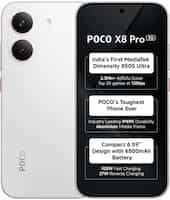

POCO X8 Pro 5G
₹32,999₹43,999 -
36% OFF

iQOO Z11x 5G
₹18,439₹28,999 -
17% OFF
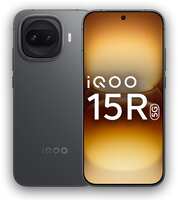

iQOO 15R
₹44,998₹53,999 -
5% OFF

Vivo V70 Elite
₹51,999₹54,999

-


Mongo version upgrade secondary product
13 Dec 2024 -
 08 Oct 2024
 -
-

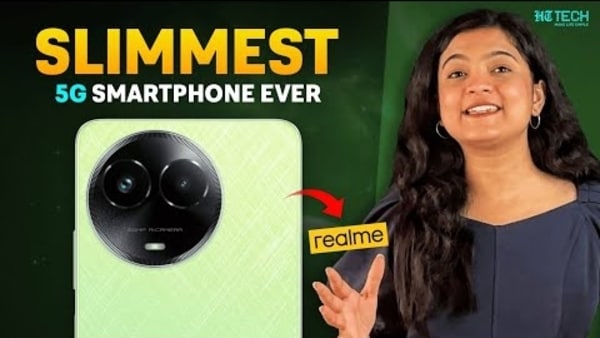
Revvl 6x 5G, Revvl 6x Pro 5G Price Revealed
23 Aug 2023 -
-
 VS
VS Apple iPhone 17 ProSamsung Galaxy S25 Ultra₹134,999₹129,999Compare Apple iPhone 17 Pro vs Samsung Galaxy S25 Ultra
-
 VS
VS Apple iPhone 17Samsung Galaxy S25 edge₹82,900₹89,999Compare Apple iPhone 17 vs Samsung Galaxy S25 edge
-
 VS
VS Samsung Galaxy M17 5GVivo T4X₹13,999₹14,737Compare Samsung Galaxy M17 5G vs Vivo T4X
-
 VS
VS Samsung Galaxy F17 5GOPPO A3 Pro₹18,999₹16,999Compare Samsung Galaxy F17 5G vs OPPO A3 Pro
-
 VS
VS POCO X8 Pro 5GVivo V30₹32,999₹28,990Compare POCO X8 Pro 5G vs Vivo V30
-
 VS
VS Poco X8 Pro MaxSamsung Galaxy S24 5G₹42,999₹39,999Compare Poco X8 Pro Max vs Samsung Galaxy S24 5G